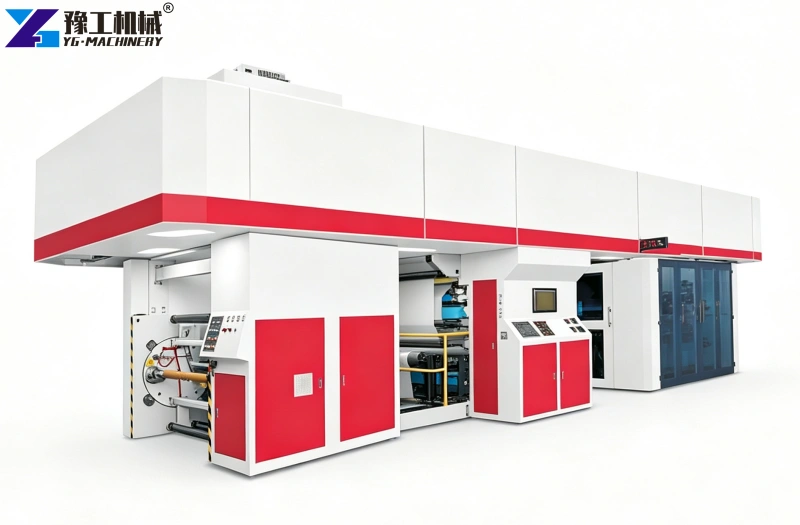
Selecting an industrial letterpress printing machine dictates production throughput, substrate versatility, and long-term operating costs. While a flexographic printing press dominates the ultra-thin polymer film market due to its resilient photopolymer plates and low-tension web path, the robust ink transfer and crisp edge definition of a modern letterpress printing machine remain irreplaceable for folding cartons, specialty labels, and rigid paper stocks.
Pressure Dynamics & Registration Performance of the Letterpress Printing Machine
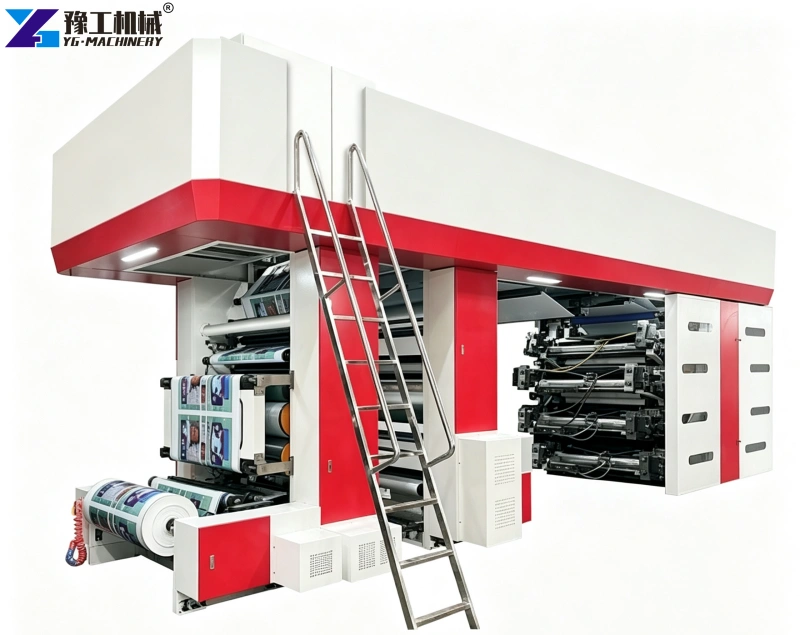
The mechanical identity of a letterpress printing machine relies on raised image areas transferring high-viscosity ink directly under controlled impression force. Understanding how this system controls web tension ensures optimal equipment selection:
- Impression Force & Ink Laydown: A letterpress printing machine generates substantial nip pressure, delivering sharp typography and dense ink coverage on textured papers. For stretchable poly films, however, precision tension control is required to prevent material elongation.
- Registration Accuracy: Advanced letterpress printing machine configurations and CI drum presses feature automated register compensation and constant-temperature drums, holding color registration within ±0.11mm even during rapid acceleration.
Pro Tip: When adjusting a letterpress printing machine, always check the web guide (EPC) and powder brake torque first if lateral registration drifts, ensuring excessive unwind tension does not stretch thin substrates.
Technical Parameter Profiles: Industrial Letterpress Printing Machine Matrix
To assist plant engineers and procurement personnel in evaluating equipment performance, the matrix below outlines core specifications across our primary production lines:
| Metric Profile | Flagship Servo CI Press (BSTHCI6) | High-Speed Center Drum Press (BSHCI8) | High-Speed Stack Press (BSHYTA6-1200) | Mid-Speed Stack Press (BSYTM4-1000) |
| Machine Category | letterpress printing machine / CI Flexo | letterpress printing machine / CI Flexo | Stack letterpress printing machine | Stack letterpress printing machine |
| Max Printing Speed | 400m/min | 250m/min | 150m/min | 80m/min |
| Color Stations | 6 Colors | 8 Colors | 6 Colors | 4 Colors |
| Max Material / Print Width | 1200mm / 1160mm | 1200mm / 1160mm | 1200mm / 1160mm | 1000mm / 960mm |
| Suitable Substrates | Paper, film, non-woven, foil | Paper, film, non-woven, foil | OPP/CPP/PE/PVC, paper, foil | Plastic film, paper stock |
| Total Power / Weight | 380V/15000kg | 380V/17000kg | 48kW/6000kg | 26kW/4100kg |
| Key Technical Feature | Cantilever sleeve structure, constant temp drum | Digital color register (<1 min),±0.11mmprecision | Frequency hot-air drying, high ROI for short runs | Max roll dia 1200mm, budget-friendly |
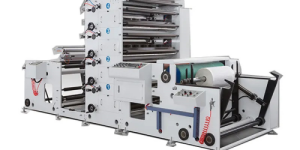
The field data confirms that for high-volume conversion demanding top speeds, the servo-driven BSTHCI6 400m/min letterpress printing machine provides maximum output. For shorter runs and flexible paper processing, the BSHYTA series delivers rapid capital payback.
Industrial Workloads and Application Adaptability
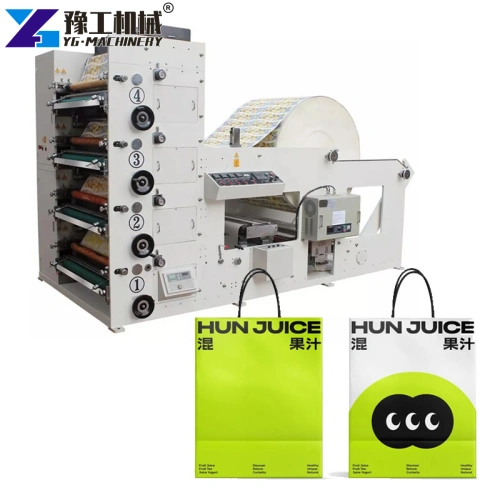
Different packaging workflows require specialized equipment integration:
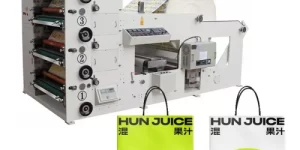
- Paper Bags & Retail Packaging: For converters operating a dedicated paper bag printing machine, integrating a 6-color stack unit (such as the BSHYTA6-800, max speed 150m/min guarantees crisp line art and rich color solids on heavy kraft papers.
- Barrier Films & Foil Packaging: Premium packaging demands complete solvent evaporation. A wide-web letterpress printing machine equipped with frequency-controlled hot-air drying tunnels ensures zero ink retention on foil laminates.
- High-Volume Publication Workflows: In large-scale publication plants, modern web handling principles derived from the high-speed newspaper printing press are integrated into central impression architectures to reduce paper break waste during continuous runs.
- Industrial PP Woven Sacks: The BSHCI 4+4 center drum press executes double-sided printing at 250m/min, utilizing an electronic shaft to handle bag length variations within 100mm without changing plate cylinders.
Field Case Study: Plant Upgrades Yield 85% Scrap Reduction
In Guadalajara, Mexico, plant manager Mr. Carlos faced high scrap rates due to register drift on an aging press line. His plant produced retail carriers and food wraps, but fluctuating web tension created up to 10% material waste on thin PE stock.
To solve this issue, we installed a custom 6-color letterpress printing machine (model BSHYTA6-1000, max speed 150 m/min, total power 42kW with integrated automatic tension regulation. Following installation, production line speeds stabilized at 120m/min, while setup waste dropped from 80 meters down under 20 meters per run. The monthly scrap rate fell to 1.2%, allowing this letterpress printing machine to save tens of thousands of dollars in raw substrate costs over seven months.
24-hour sales hotline: +8613837112713
Technical and Operational Q&A
A letterpress printing machine delivers high ink density, crisp edge sharpness, and excellent ink transfer on heavy paperboards and textured stocks that require precise impression force.
As engineered on the BSTHCI6, cantilever sleeve structures allow operators to change plate sleeves within minutes without dismantling heavy mandrels, drastically shortening job changeover downtime.
Yes. By incorporating web inversion turn bars on a stack letterpress printing machine, the substrate can be flipped mid-process to print 4 colors on the front and 2 colors on the back side seamlessly.